Partner
Pamoja & Ten Senses, Kenya & Tanzania

Partner since 2020

6,000 farming families

Macadamia
EU Organic

6,200 ha of organic farming by 2031

Kenya, Taita & Meru Province
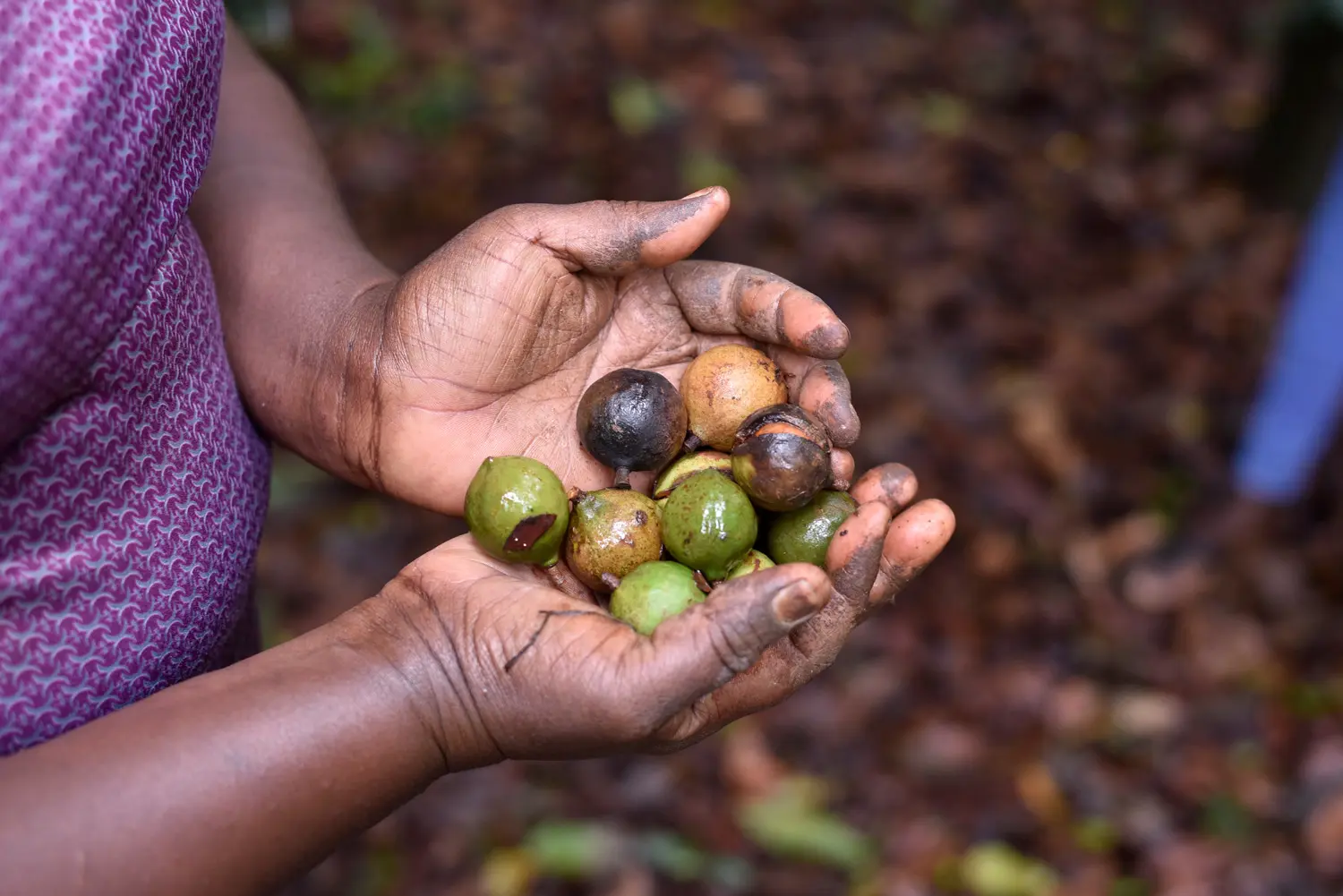
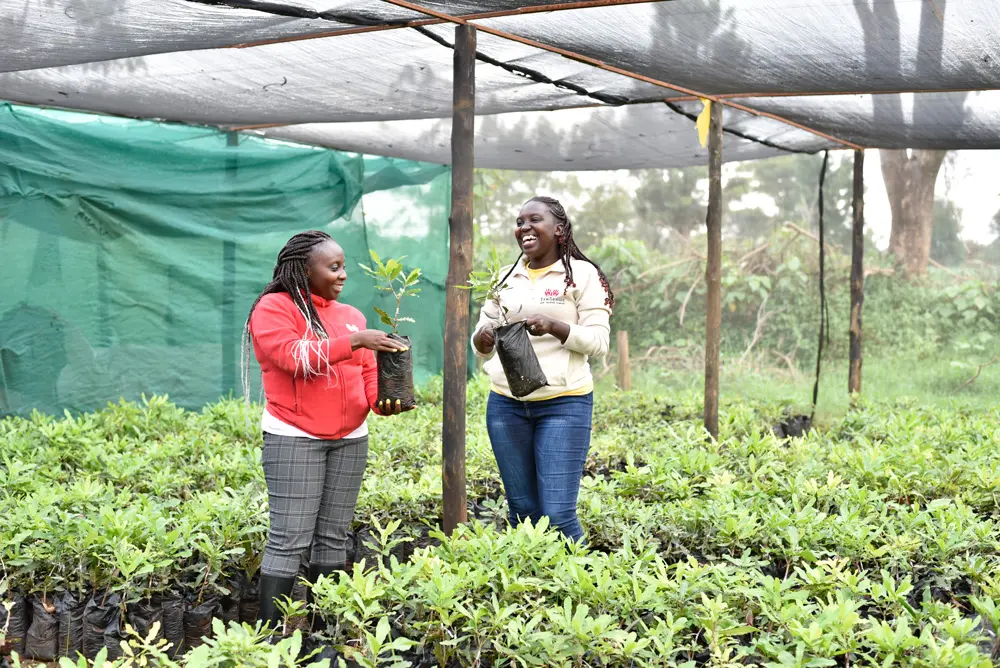
Working together to build a fair macadamia value chain
Pamoja was founded in 2014 by Guillaume Maillard and James Powell. The name comes from Swahili and means ‘together’ – a philosophy that also underpins the partnership with Pakka. Since 2020, Pakka has joined forces with Pamoja and Ten Senses with the aim of connecting macadamia nuts from East Africa to the European market in a way that is fair, organic and transparent in the long term.
A group with local roots
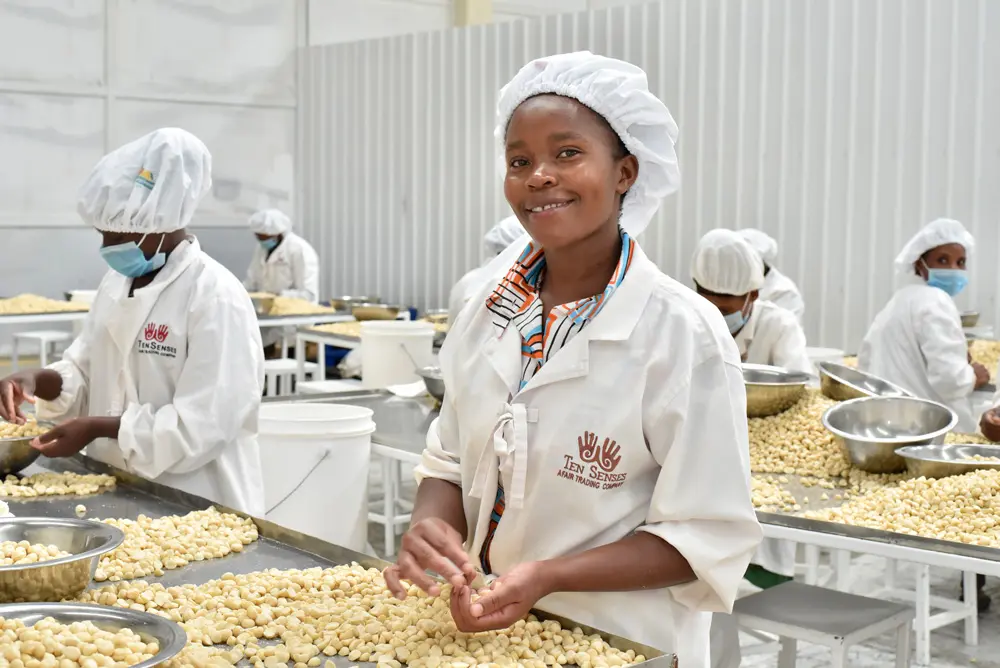
Pamoja is based in Geneva and operates in Kenya and Tanzania. The group comprises Ten Senses Africa in Kenya and Macjaro Farms in the Kilimanjaro region of Tanzania. Ten Senses sources macadamia nuts from smallholder farming families, supports them in cultivation and processes the nuts in a modern facility on the outskirts of Nairobi. Macjaro Farms operates its own farms at the foot of Kilimanjaro and continues to develop regenerative farming methods.
Macadamia nuts as an opportunity for smallholder families
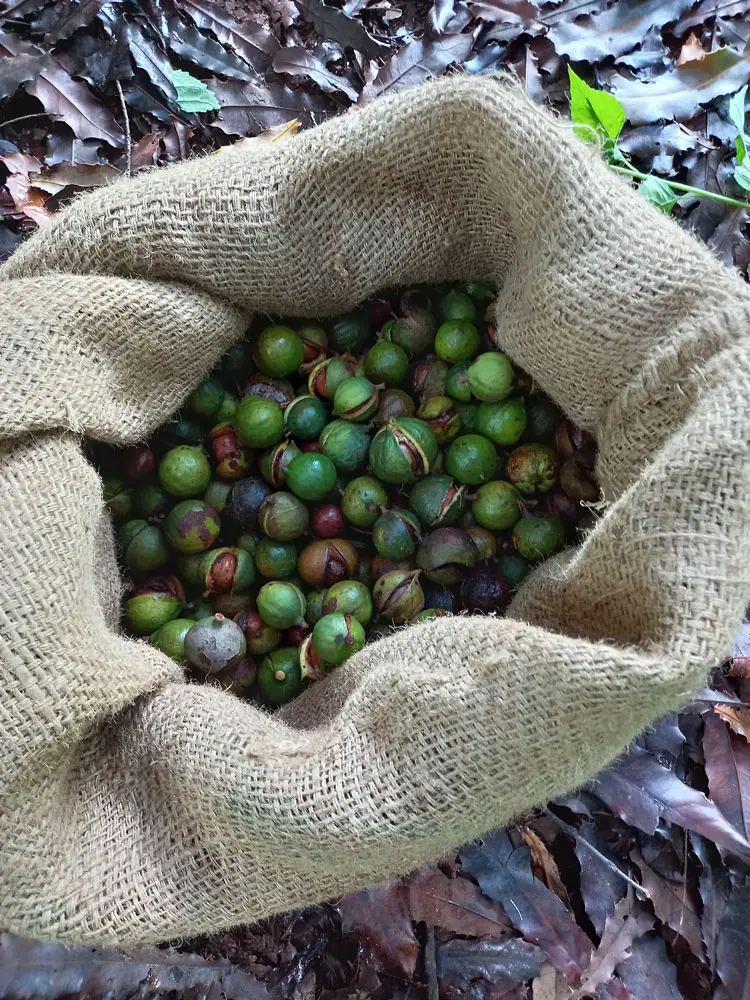
Macadamia is an important agricultural product in Kenya. The trees bear fruit after just a few years and can produce yields for decades. For many smallholder families, macadamia is therefore a long-term source of income. Ten Senses’ growing areas are located in the Taita Hills and in Meru, around Mount Kenya, amongst other places. Fertile volcanic soils, sufficient rainfall and a temperate tropical highland climate create good conditions for organic farming there.
Agroforestry and regenerative agriculture
Ten Senses supports farming families in organic cultivation within biodiverse agroforestry systems. Macadamia trees are grown alongside other crops and local vegetation. These mixed-crop systems promote biodiversity, protect the soil and help to improve water retention. In Tanzania, Pamoja, in partnership with Macjaro Farms, is also focusing on regenerative approaches that combine soil fertility, ecological stability and long-term yields.
«Farming gives me independence. I enjoy working with Ten Senses because they are honest and fair, pay promptly, and have supported me even in difficult times.»
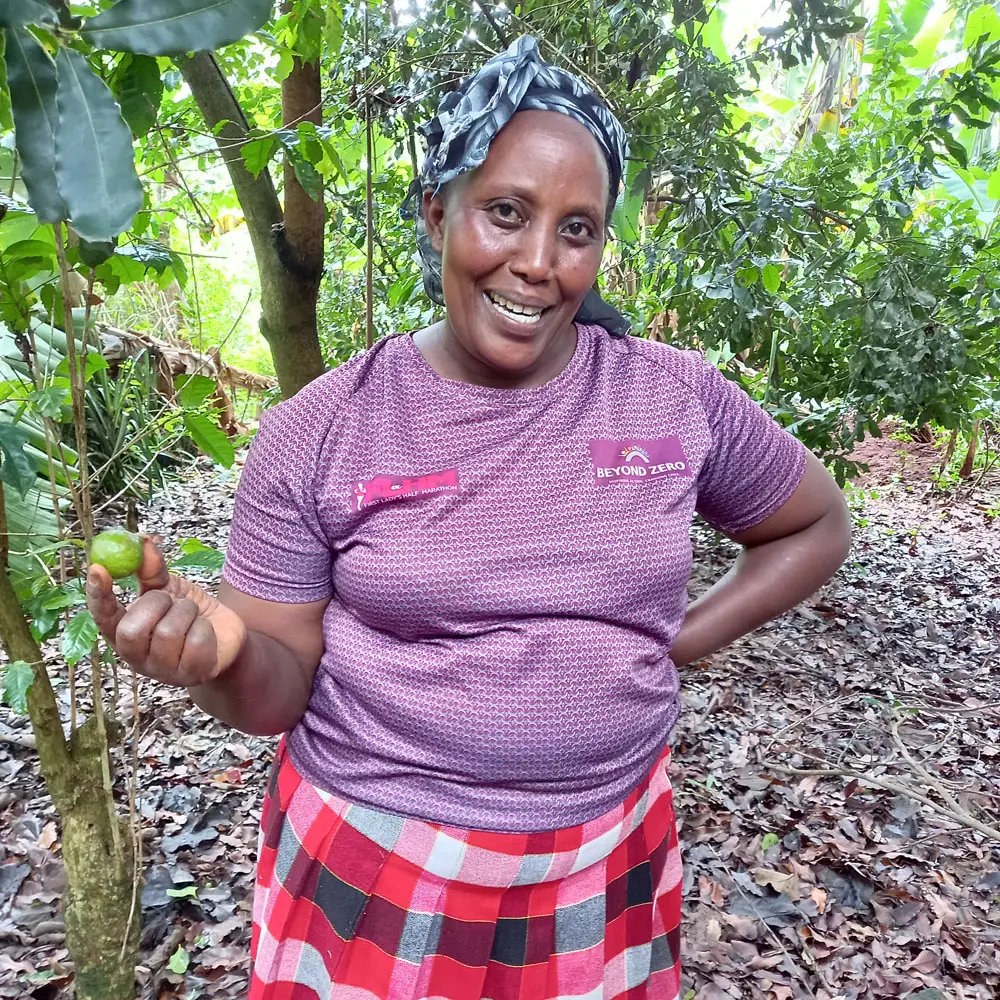
Edith Wanyaga Mbogo
Macadamia producer, Kenya
«Ten Senses operates professionally. I can count on being paid on harvest day, and I receive support whenever I need advice on organic farming.»
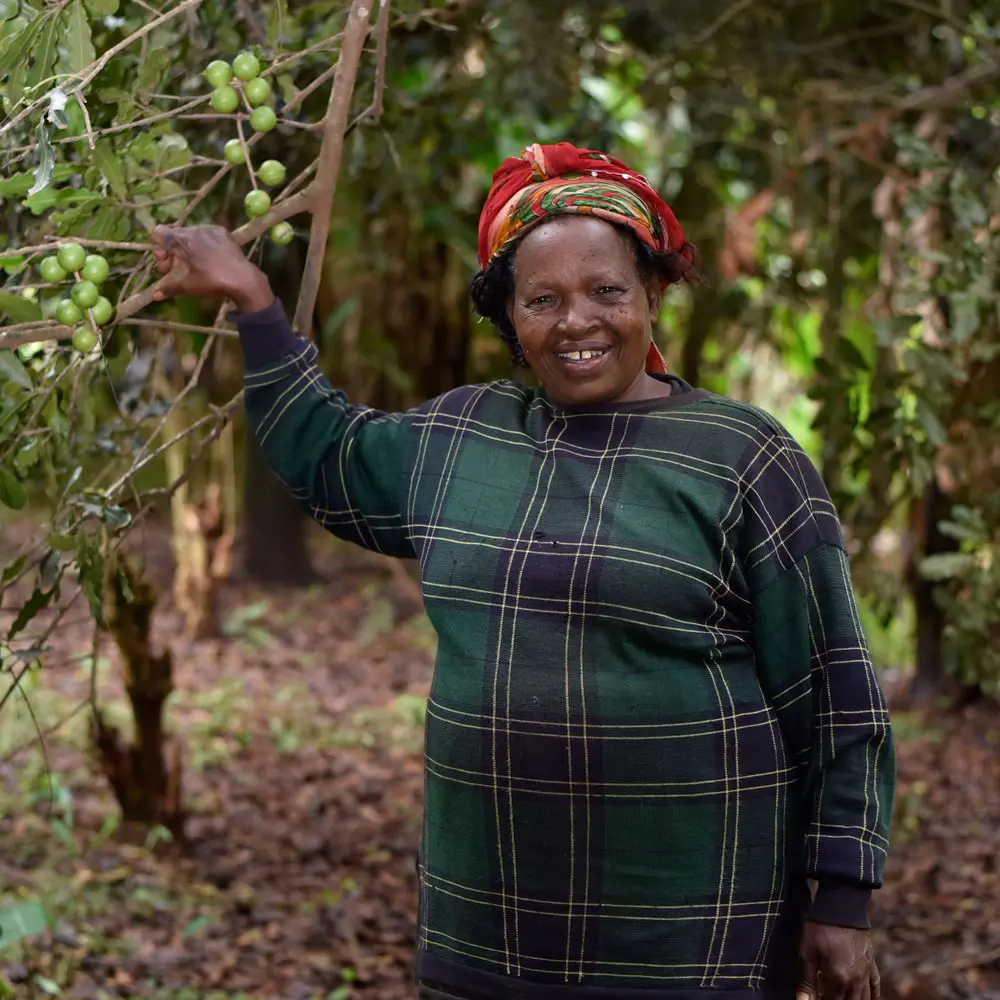
Mary Zablon
Macadamia producer, Kenya
Smallholder Inclusion Scheme
A key element of the partnership is the Smallholder Inclusion Scheme, which was launched in Tanzania in 2020 in collaboration with Macjaro. The programme provides high-quality seedlings, shares knowledge on organic farming, and supports farming families on their path to certification. In Kenya, this approach is being implemented by Ten Senses – through purchasing points, nurseries, field staff and agronomists. By 2028, further smallholder families are to be included in the programme.
Local processing and value creation
After harvesting, the macadamia nuts are collected, cleaned, dried, cracked, sorted and packaged. The processing at Ten Senses combines technical equipment with meticulous manual work. The shells are used as a source of energy for drying, allowing by-products to be effectively reintegrated into the process. This ensures that a significant portion of the value added remains within the region, creating jobs in procurement, quality assurance and processing.
A partnership with prospects for growth
Pakka, Pamoja and Ten Senses are united by their commitment to making the macadamia trade more reliable in the long term. For farming families, this collaboration means access to knowledge, seedlings, organic and Fairtrade structures, and a more stable market. For Pakka, it means building direct relationships with partners who combine organic farming, local processing and social impact.
Congratulations on the Pakka anniversary
Products
Location
Partner